
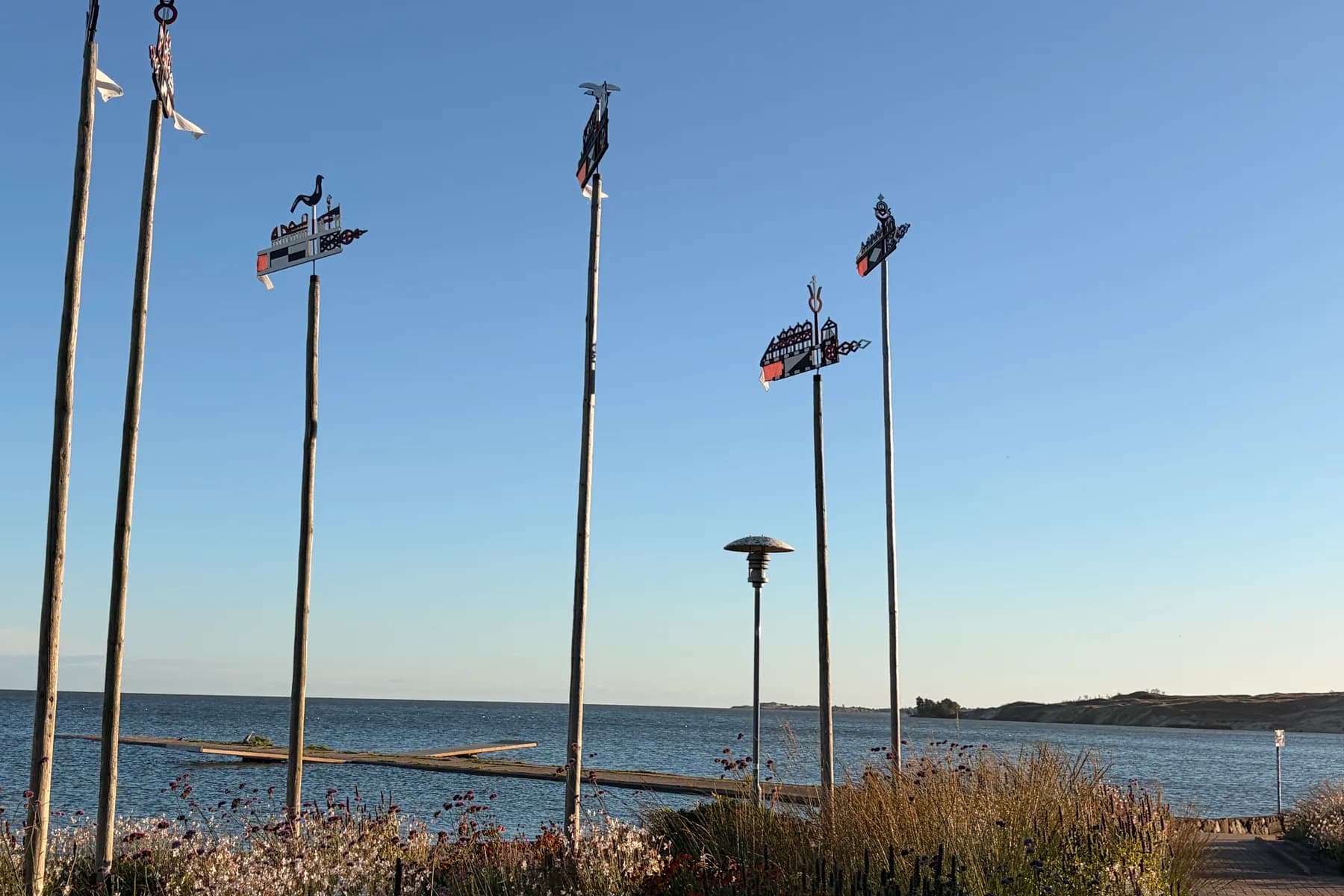
Things to do on the Curonian Spit
The spit is more than Nida. Explore its four settlements over a day, weekend or week, with ideas for rainy weather too.
9 min. read
Smallest settlement
Neringa's smallest settlement. Nearby lie the grey, or dead, dunes, whose sands have already been covered by moss.
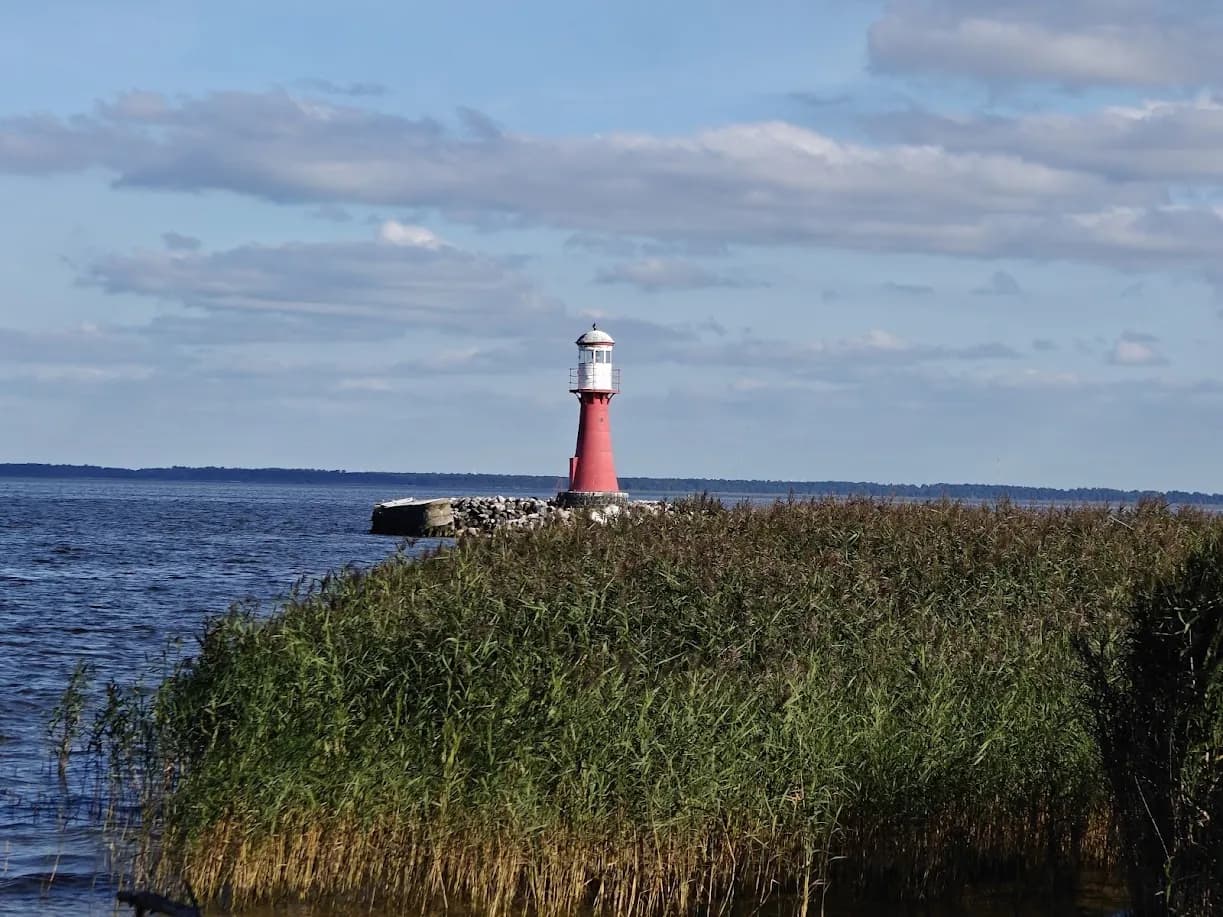
Pervalka is where the spit feels least managed. Beyond the small settlement lies a seemingly lifeless landscape that is actually among Lithuania's most fragile.
Then there is the lighthouse. It stands in the lagoon rather than on the shore, reminding us that shallow-water navigation was never simple.
Several buried villages remain beneath the grey dunes. Standing by the trail, it is hard to believe people once lived under that sand.
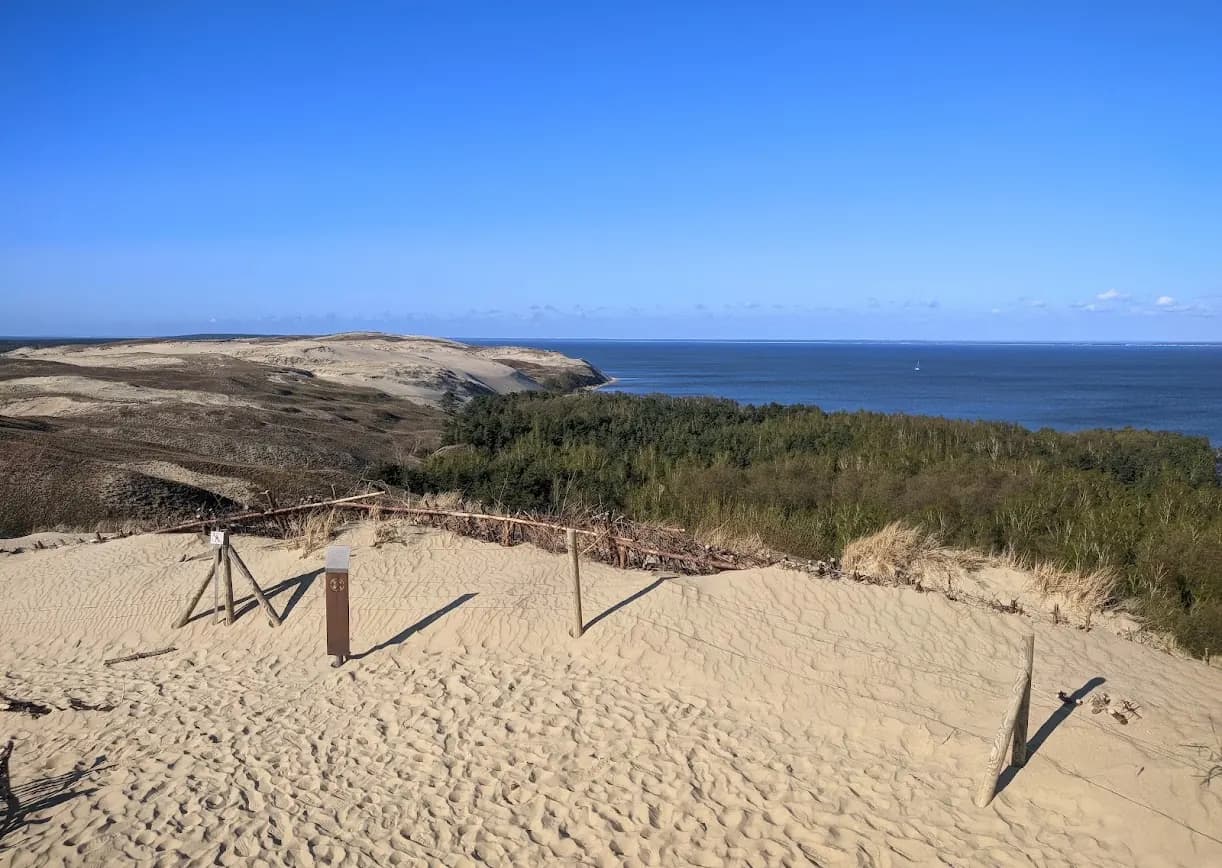
Sands in Nagliai Nature Reserve partly covered by moss and grass, giving them a grey rather than Parnidis-like golden colour. A landscape unlike any other in Lithuania.
Use only the marked nature trail; stepping off damages the vegetation.
A small lighthouse in the lagoon, visible from shore and at its best in evening light.
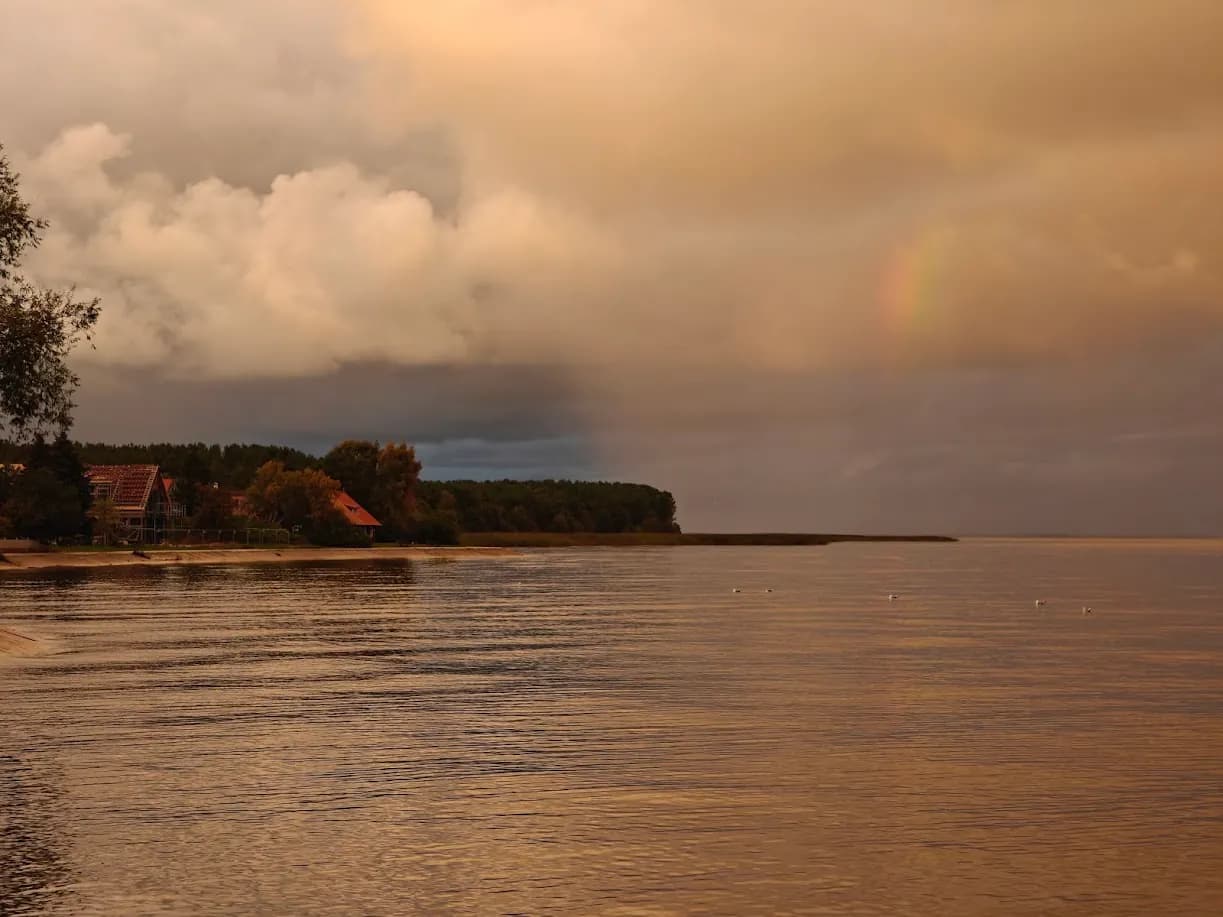
One of the spit’s quietest shores. A good place just to sit, especially outside the season.
Settlements whose residents had to relocate lie beneath the dunes. There is no visible attraction, just a place and a story, which is precisely its power.
The grey dunes of Nagliai Nature Reserve are sands partly covered by vegetation and moss. They are called dead because they barely move.
In fact this is one of the spit’s most alive and fragile places. The vegetation holding the sand took a long time to form and can be damaged in a single season.
Blog
The spit is more than Nida. Explore its four settlements over a day, weekend or week, with ideas for rainy weather too.
9 min. read
Nearby
Quietest of the four
Preila is a small village between Pervalka and Nida, founded in the mid-19th century. It is ideal for a quiet walk by the lagoon and discovering the history of a fishing village.
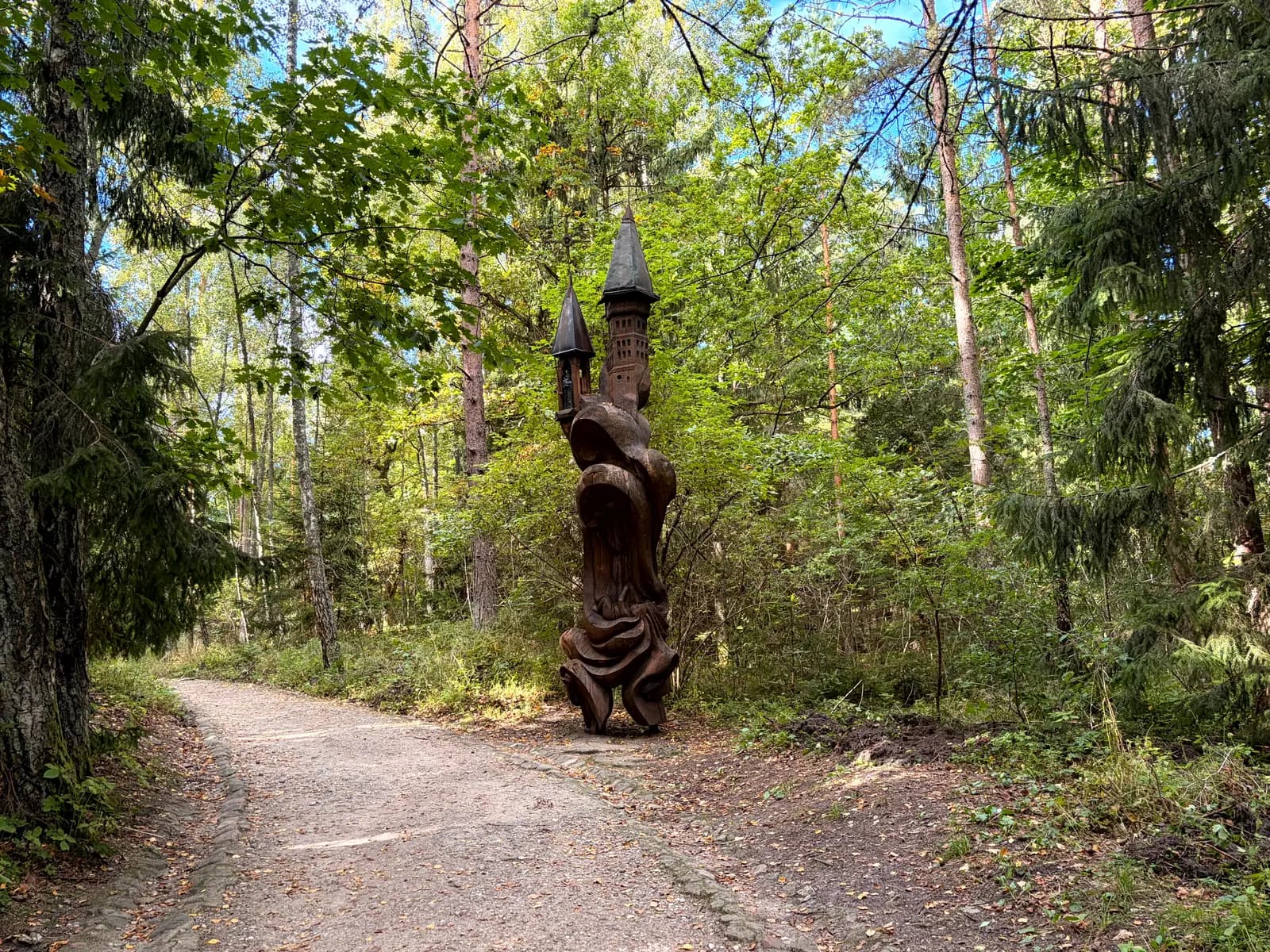
Northernmost settlement
The first settlement after the ferry from Klaipėda. Greener and more wooded than Nida, with more forest than sand.
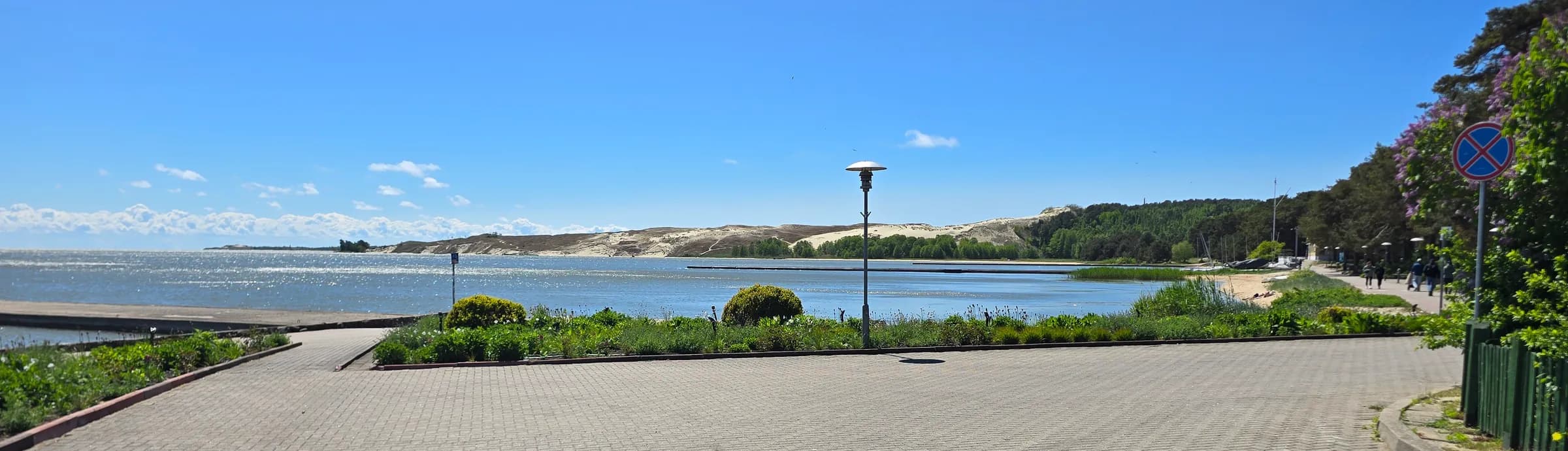
Neringa's centre
Neringa's largest settlement, where most visitors begin. You can explore it on foot in half a day, but without context much goes unnoticed.
Booking
Tell me when you are coming and how many days you have. I will check availability and suggest what can realistically fit into that time.
I reply within 24 hours