
Neringa's centre
Nida
Neringa's largest settlement, where most visitors begin. You can explore it on foot in half a day, but without context much goes unnoticed.
What makes this place interesting
Nida is interesting not just for its beauty, but because it nearly did not survive. Moving sand repeatedly forced people to relocate, and today's settlement is not where the first one stood. Knowing this changes how you see every lane.
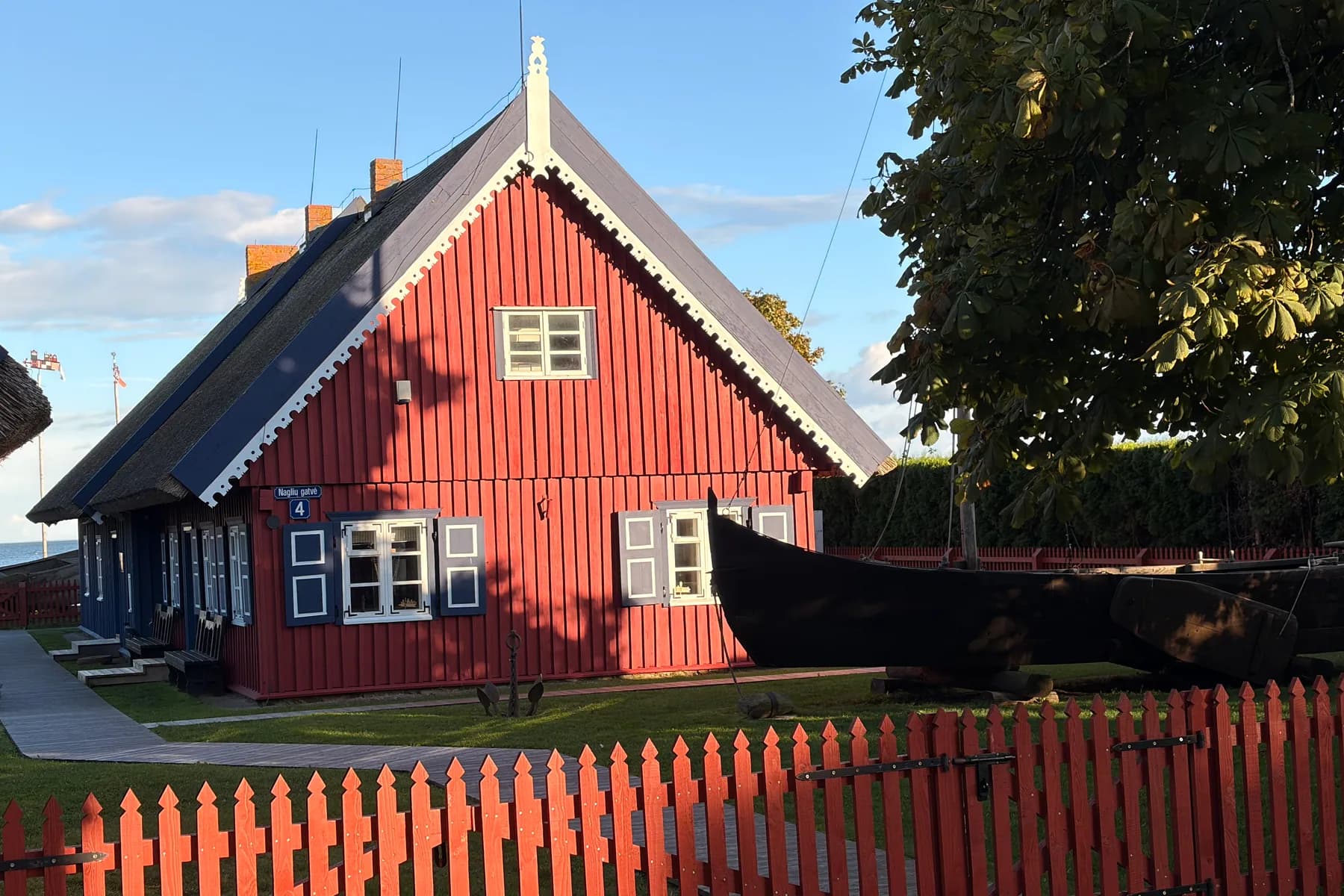
Two layers overlap here. Below is the fishing village: wooden houses, weather vanes and cemeteries with krikštai. Above is the 20th-century resort with villas, artists and holidaymakers. Both remain visible in the same streets.
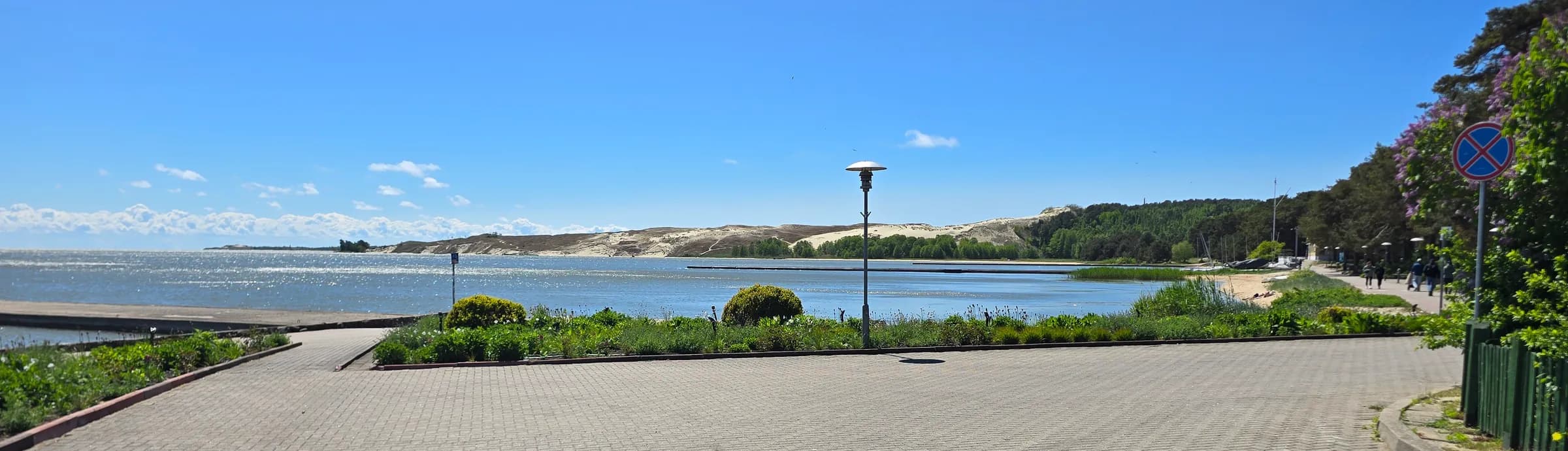
A half-hour walk takes you from lagoon to sea in Nida, giving the clearest sense of just how narrow this strip of land is.
What to see
Parnidis Dune
Nida's main landmark. From the top you see the lagoon, sea and Kaliningrad border at once, making the spit’s layout clear. A granite sundial column stands on the dune.
Access is by stairs and a path. Stay on the path; this is a protected area.
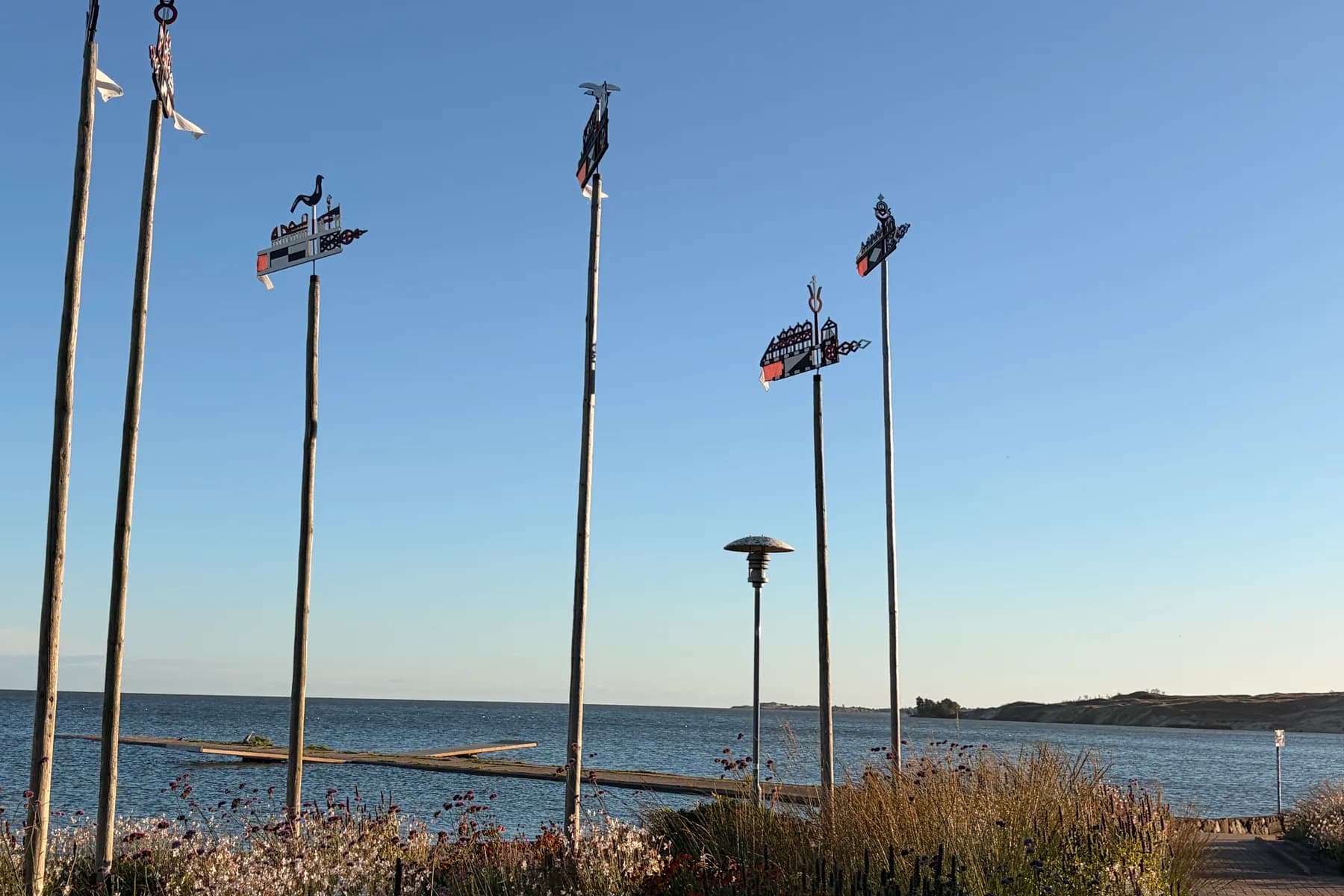
Harbour and weather vanes
The whole settlement depended on this place. Boat weather vanes were once documents rather than decorations, identifying the boat's home village.
Old cemetery and krikštai
Wooden grave markers unique to this region. One of the few surviving traces of the Kursenieki community, in the settlement’s quietest place.
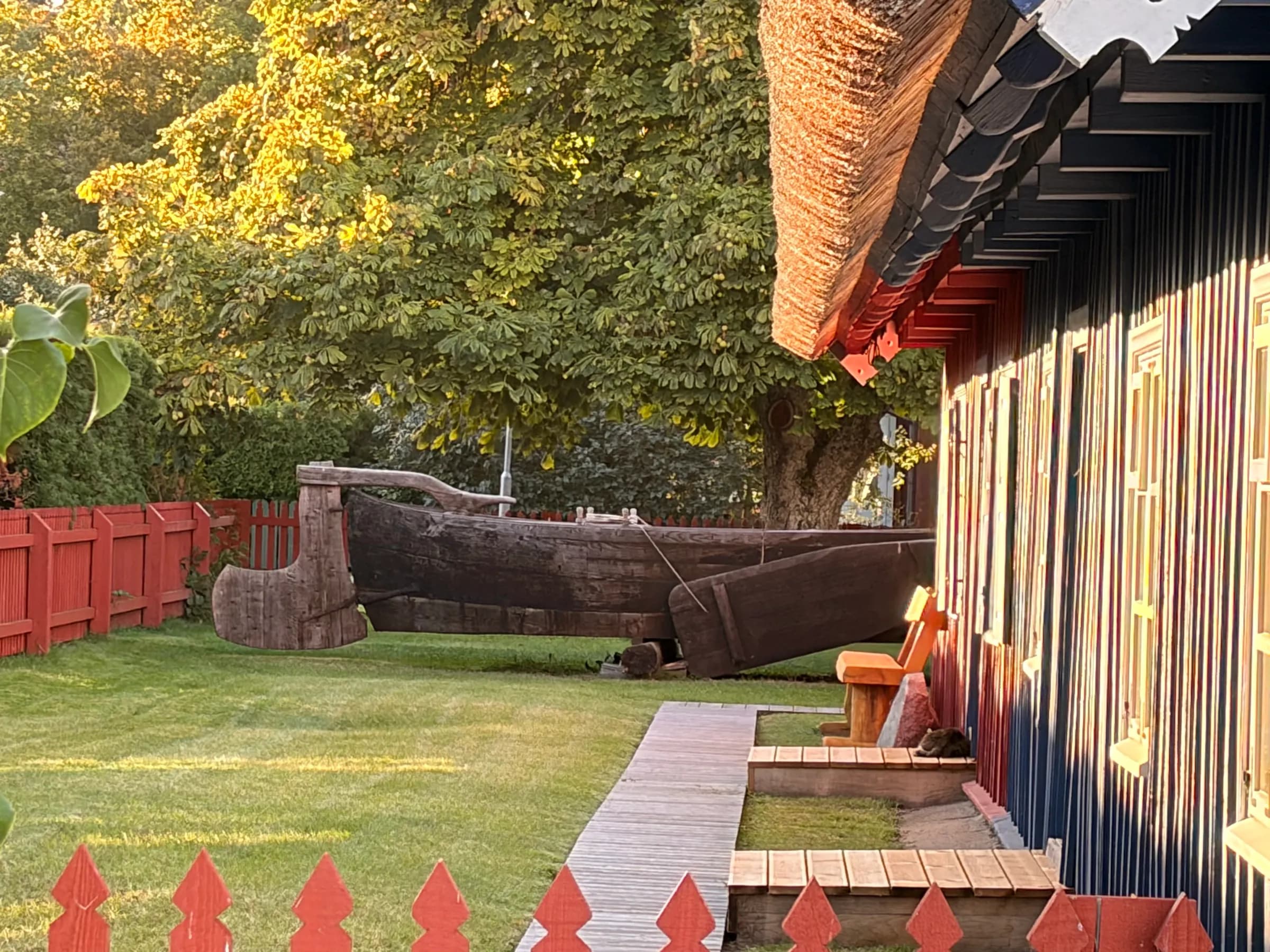
Ethnographic Fisherman's Homestead
Everyday life as it really was: rooms, tools and nets. Afterwards, the wooden house façades in the street become more than pretty sights.
Opening hours vary by season. Check the museum's website before visiting.
Thomas Mann House
The writer spent three summers in Nida in the early 1930s. His house on Mother-in-Law Hill is now a memorial museum, and its terrace view explains why he kept returning.
Check the museum's website for opening hours and events.
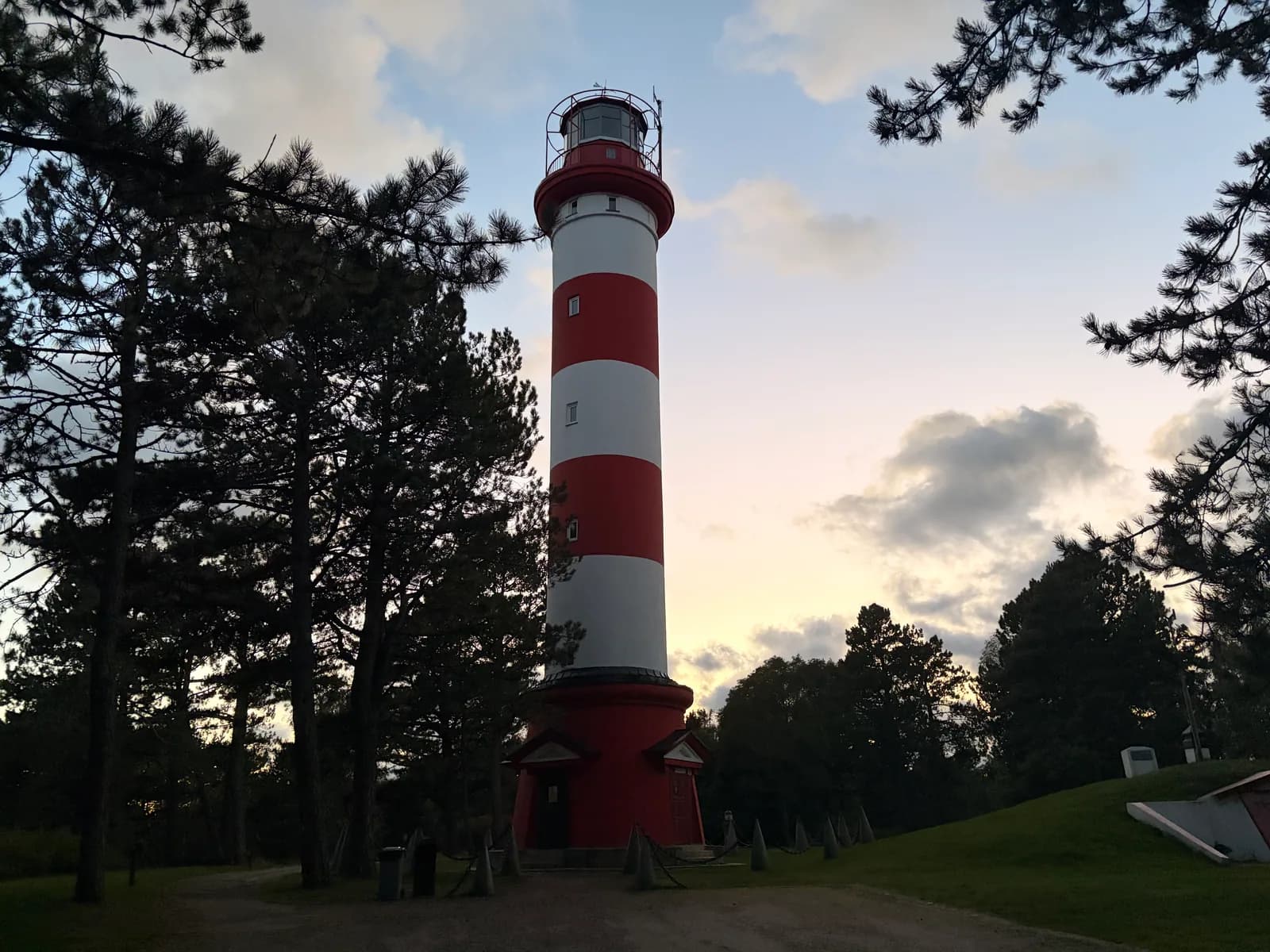
Nida Lighthouse on Urbas Hill
In the forest at the settlement’s highest point. The pine forest walk to it is one of Nida's most pleasant short routes.
Local context
A settlement that moved
Nida moved several times because shifting sand left no choice. The present settlement developed when forest planting and the protective coastal dune ridge slowed the dunes.
Almost everything we see here, including the forest and settlement’s location, results from human decisions rather than nature alone.
The resort layer
In the early 20th century Nida attracted artists and holidaymakers. Villas and guesthouses appeared beside fishermen's homes, and the settlement began living from visitors rather than fishing.
Both layers stand side by side today. On Naglių or Lotmiškio Street, house proportions and windows reveal the contrast, a simple way to read Nida's history without a museum.
Practical information
- Getting here
- Take the ferry from Klaipėda to Smiltynė, then the road along the spit. Summer weekends bring ferry queues, so leave early.
- Entry fee
- A local entry fee applies to vehicles entering Neringa. Check Neringa Municipality's website for current rates and payment methods.
- Getting around
- Nida is small, so walking and cycling are easiest. Leave the car in one place, as central parking is scarce in summer.
- Season
- Outside the season, some cafés, museums and accommodation close or shorten their hours. Check individual opening times before visiting.
- On the dunes
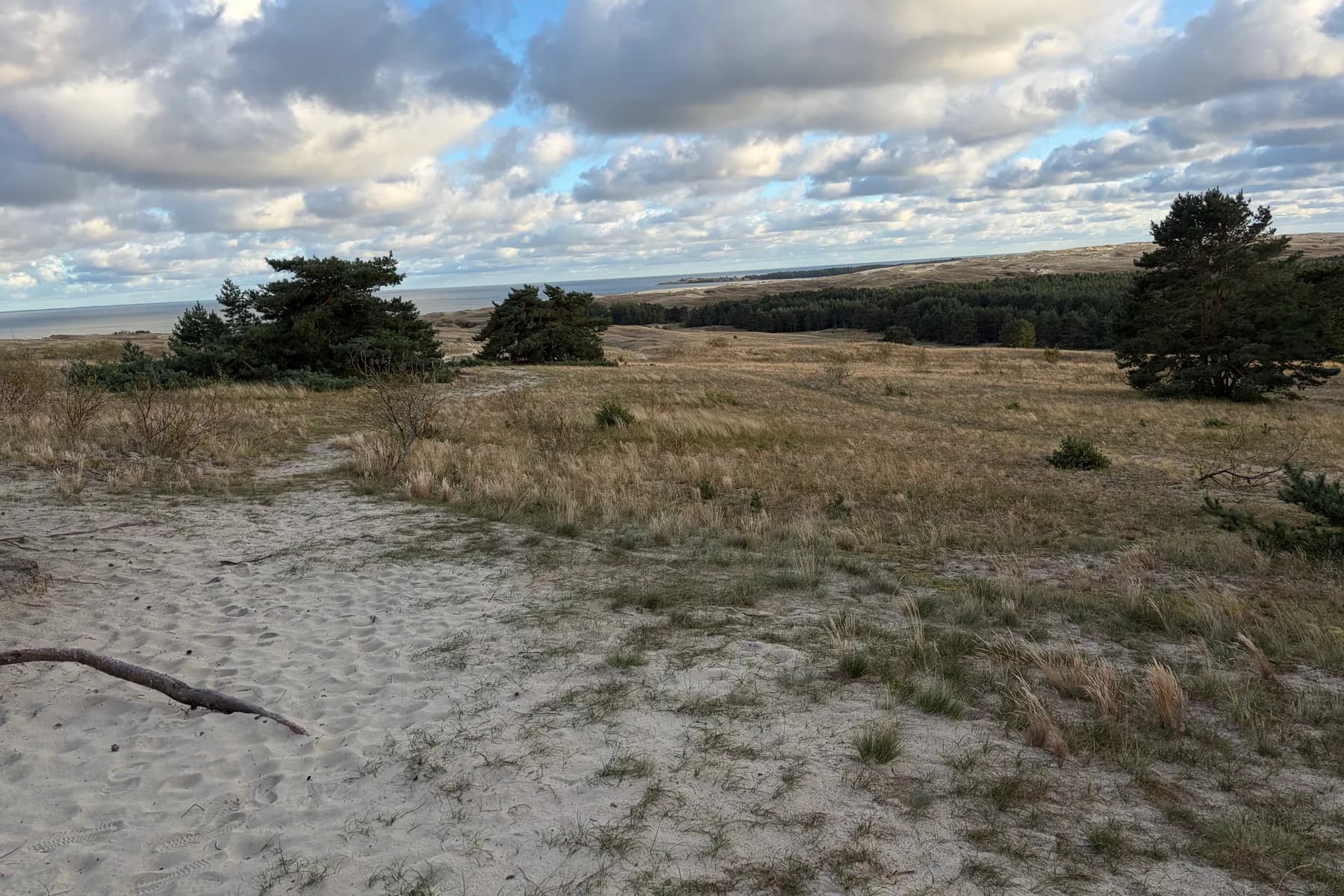
- Use only marked paths and stairs. Damaging vegetation allows sand to start moving again.
Tours
Tours in this area
I lead most of my tours in Nida, from two-hour walks to evening routes through the settlement.
Blog
Related articles
Nida in one day
One day in Nida is short but enough if you do not try to do everything. A morning-to-evening itinerary for summer or outside the season.
7 min. read
Things to do on the Curonian Spit
The spit is more than Nida. Explore its four settlements over a day, weekend or week, with ideas for rainy weather too.
9 min. read
Nida·
What to see in Nida?
Nida has few sights, but each needs context to become more than a pretty view. What to see and how much time it really takes.
8 min. read
Nearby
Other settlements on the spit
Quietest of the four
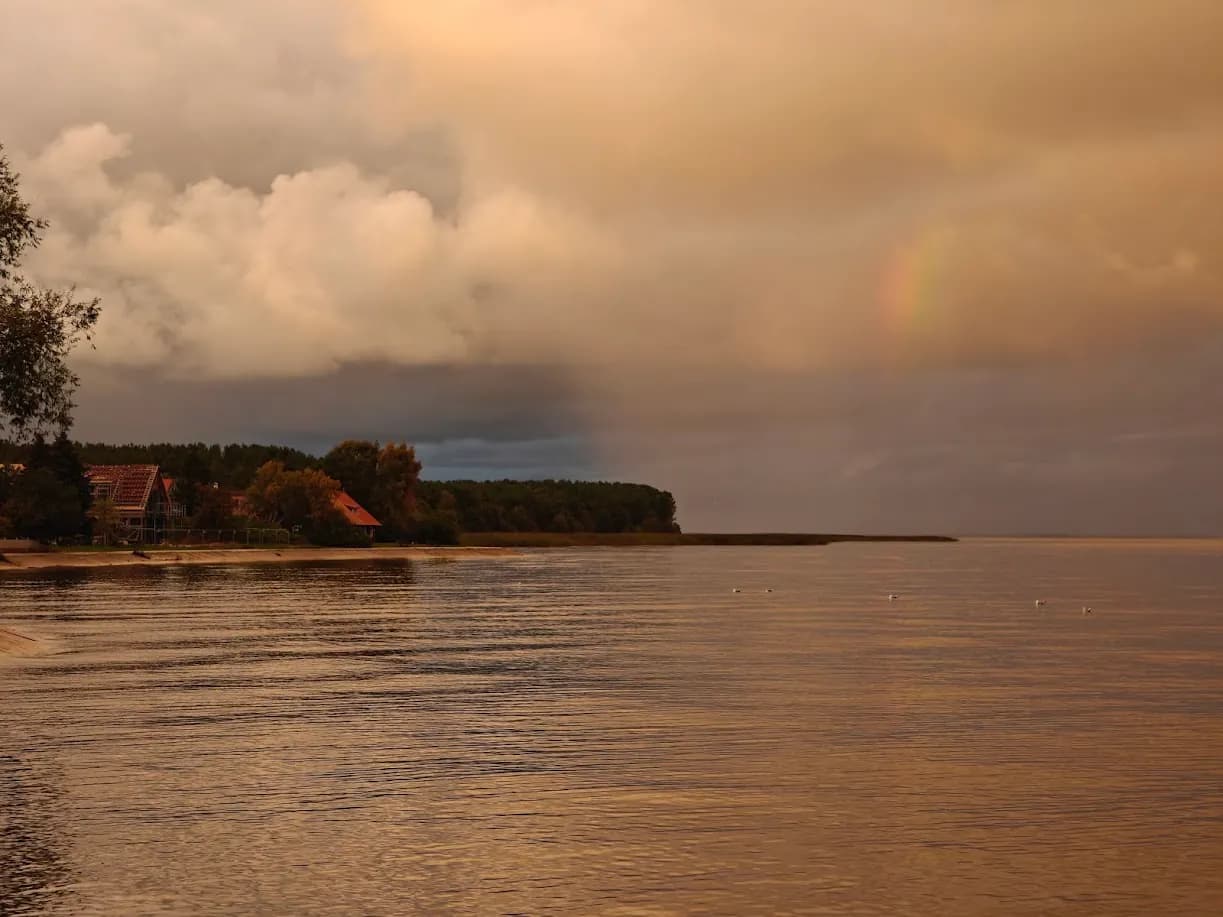
Preila
Preila is a small village between Pervalka and Nida, founded in the mid-19th century. It is ideal for a quiet walk by the lagoon and discovering the history of a fishing village.
Smallest settlement
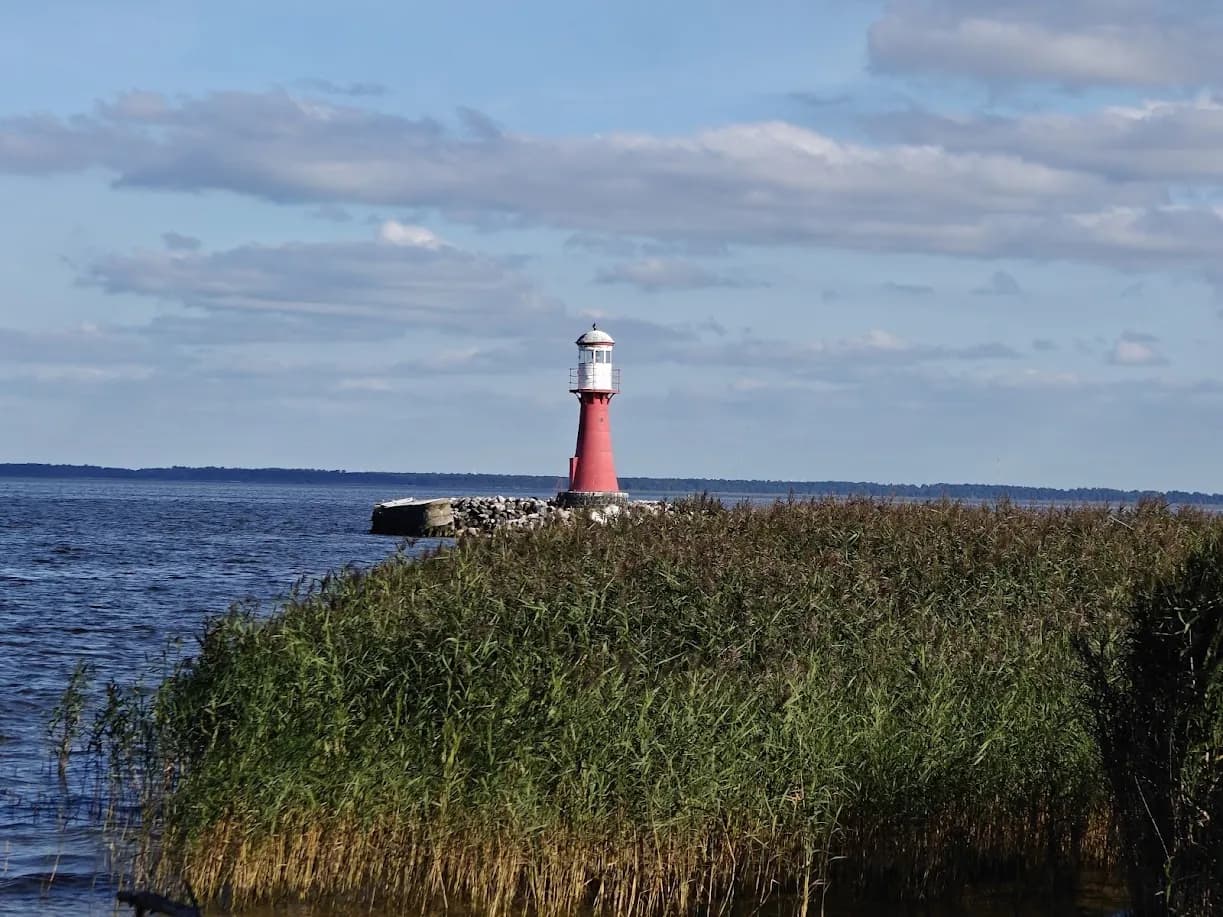
Pervalka
Neringa's smallest settlement. Nearby lie the grey, or dead, dunes, whose sands have already been covered by moss.
Northernmost settlement
Juodkrantė
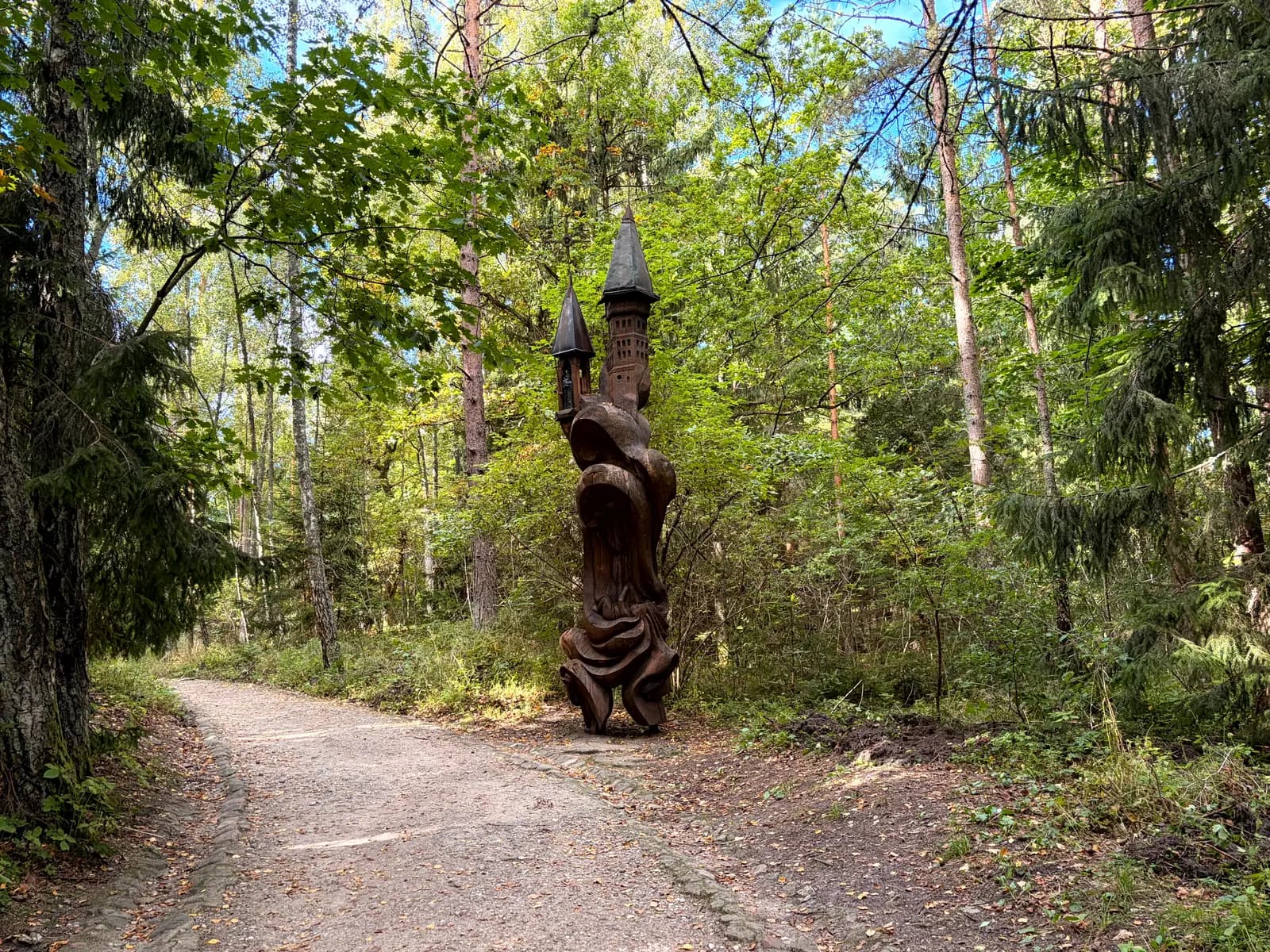
The first settlement after the ferry from Klaipėda. Greener and more wooded than Nida, with more forest than sand.
Booking
Let's agree on a date
Tell me when you are coming and how many days you have. I will check availability and suggest what can realistically fit into that time.
+370 641 53311
I reply within 24 hours